Systems-Level Programming

C Programming – From Fundamentals to Systems-Level Understanding

Learn programming. Understand memory. Build strong problem-solving skills.
Understand It
Practice It
Break It
Troubleshoot It
Apply It
C Programming Fundamentals to Systems-Level Understanding
50-65 Hours – Suggested Duration
15 Modules – Structured Curriculum
Instructor-Led – Coding Practice Format
1 Capstone – Complete C Application

Course Highlights

Concept-First Learning Approach
Hands-on Coding Labs & Debugging Practice
Memory Visualization for Pointers
Data Structures Implementation Using C
Bitwise Programming & Low-Level Skills
Complete Capstone C Application Project
What You Will Learn

About This Course

Master Memory, Pointers, and Systems-Level Programming

A foundational course designed to build strong algorithmic logic and a low-level understanding of software execution. Students master core syntax, control structures, functions, and pointers, along with dynamic memory management using malloc and free. The course also covers structures, file I/O, and basic data structures such as linked lists and stacks. Emphasis is placed on writing memory-safe, efficient code and debugging using industry-standard tools like GDB, preparing learners for advanced programming and systems-level thinking.

Key Learning Outcomes

  • Master core C syntax and control structures
  • Write and use functions effectively
  • Understand and apply pointers in programming
  • Perform dynamic memory management (malloc/free)
  • Work with structures and file I/O
  • Implement basic data structures (linked lists, stacks)
  • Write memory-safe and efficient code
  • Debug programs using industry-standard tools like GDB
Course Curriculum

15 Modules — From Fundamentals to Systems-Level Understanding

Understand the concept -> visualize it -> practice it -> troubleshoot it -> apply it in a realistic problem.

What programming is and why C is useful; structure of a C program; source code to executable; preprocessor, compiler, assembler and linker; standard input/output; compilation errors and warnings. Practical: Write, compile and execute a set of small C programs.

Variables and constants; integer and floating-point types; characters; signed and unsigned types; type sizes and ranges; arithmetic, relational and logical operators; type conversion and casting; operator precedence. Practical: Build programs involving calculations, input, conversions and validation.

if/else; nested conditions; switch; for, while and do-while; break and continue; nested loops; problem-solving with iteration. Practical: Solve progressively challenging programming problems without copying solutions.

Function declaration and definition; parameters and return values; function prototypes; scope; local and global variables; pass-by-value; call-stack fundamentals; recursion. Practical: Refactor a single program into reusable functions and trace function calls.

One-dimensional arrays; initialization and traversal; searching and processing; two-dimensional arrays; multidimensional arrays; arrays and functions; memory representation. Practical: Build array-processing and matrix-based programs.

Character arrays; null-terminated strings; string input and output; standard string functions; comparison, copying and concatenation; common string programming errors. Practical: Implement selected string operations and debug incorrect string handling.

Memory addresses; pointer variables; address-of and dereference operators; pointer types; NULL pointers; pointers and functions; pointer arithmetic; common pointer errors. Practical: Draw memory diagrams, trace pointer changes, and debug pointer-based programs.

Array-to-pointer behavior; pointer arithmetic; traversing arrays with pointers; character pointers; strings and pointers; arrays of pointers; command-line arguments. Practical: Rewrite selected array/string programs using pointers and compare the implementations.

Structures; nested structures; arrays of structures; pointers to structures; the -> operator; typedef; enumerations; unions; structure padding concepts. Practical: Build a record-management application using structures.

Process memory fundamentals; stack vs heap; malloc, calloc, realloc and free; dynamic arrays; memory leaks; dangling pointers; double-free errors; ownership concepts. Practical: Build dynamically sized data structures and use debugging tools to find memory mistakes.

File pointers; opening and closing files; reading and writing; text files; binary files; sequential file processing; error handling. Practical: Extend an application so data can be saved and restored.

Header files; #include; #define; macros; conditional compilation; header guards; multiple source files; separate compilation; linking; static and extern concepts. Practical: Split a single-file application into a maintainable multi-file project.

Binary representation; AND, OR and XOR; bitwise NOT; left and right shifts; bit masks; set, clear, toggle and test bits; flags. Practical: Implement flag and bit-mask based utilities.

Linked lists; self-referential structures; dynamic node creation; insertion and deletion; traversal; stack; queue; basic data-structure design. Practical: Implement a small collection of data structures from scratch and test them.

Compiler warnings; syntax vs runtime vs logical errors; debugging workflow; breakpoints and stepping; variable inspection; segmentation faults; buffer errors; uninitialized variables; off-by-one errors; memory leaks and dangling pointers. Practical: Design, implement, test and debug a complete C application.

Course Fee

Limited Time Offer
15,000
20,00025% OFF
Enroll Now Talk to Our Trainers
  • Duration: 50-65 Hours:
  • Format: Instructor-led + Coding Practice:
  • Focus: Programming + Memory + Debugging:
Course Duration

Total Program Duration

50-65 Hours

Tools & Technologies

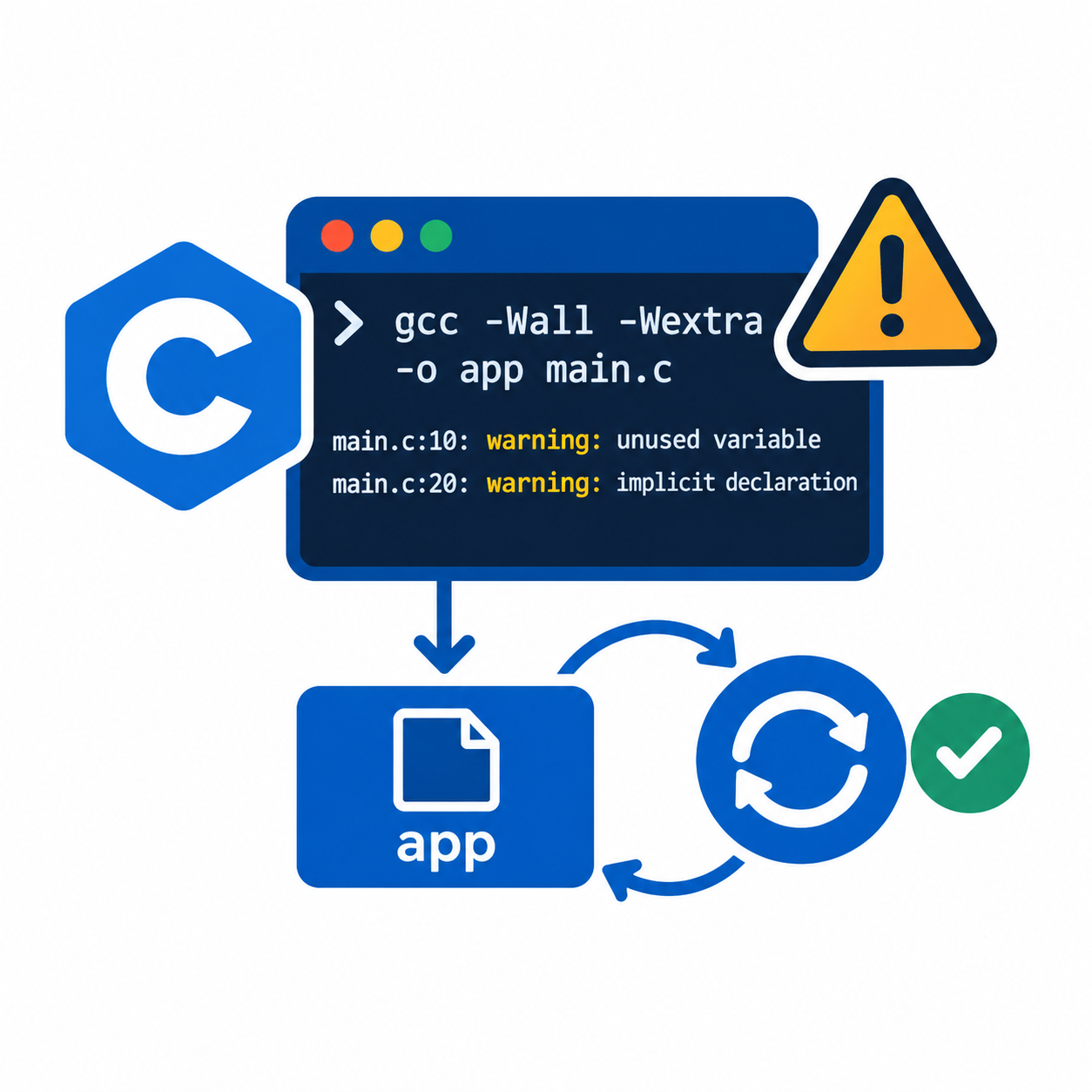
A C compiler with warnings enabled and a repeatable build process
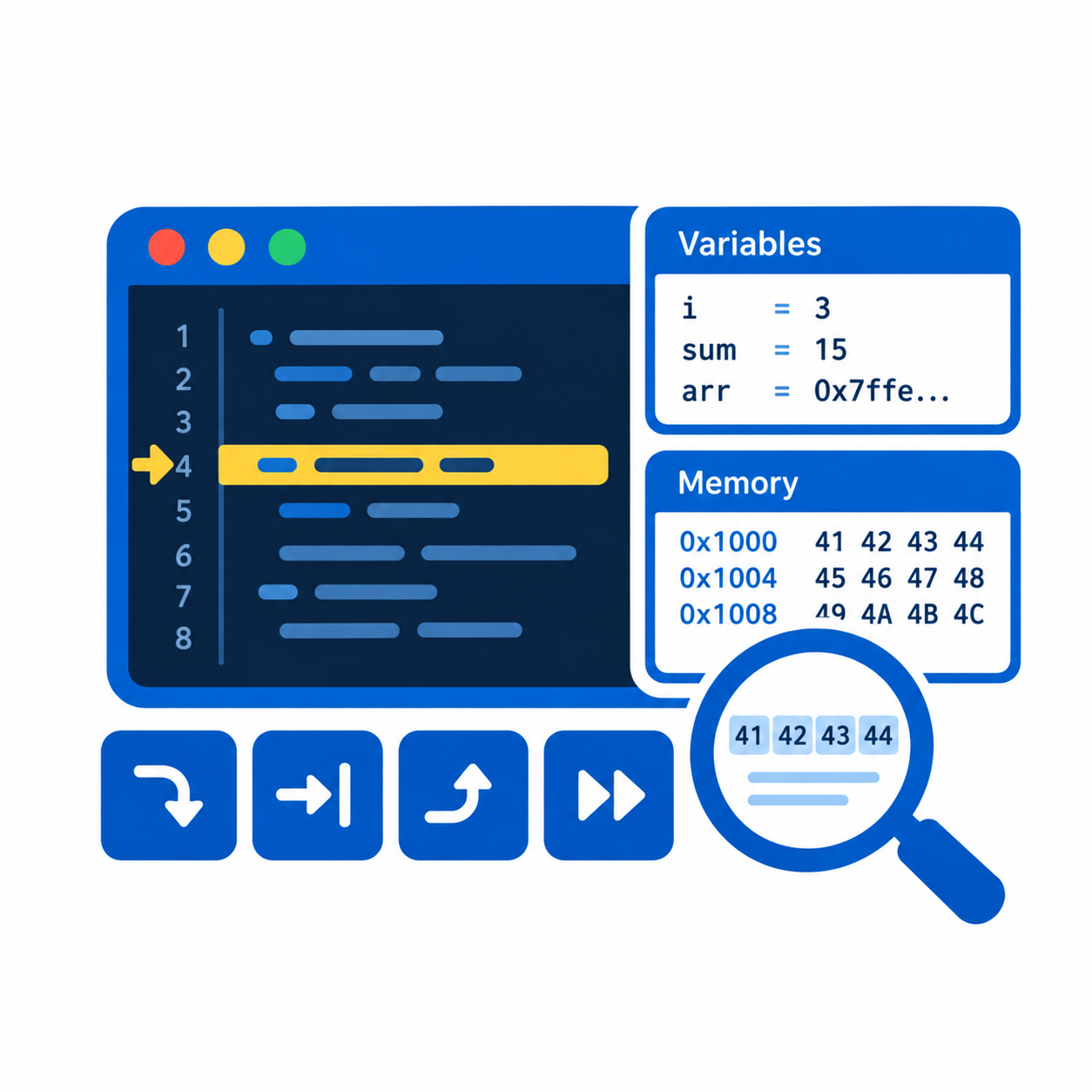
A debugger for stepping through execution and inspecting memory/state
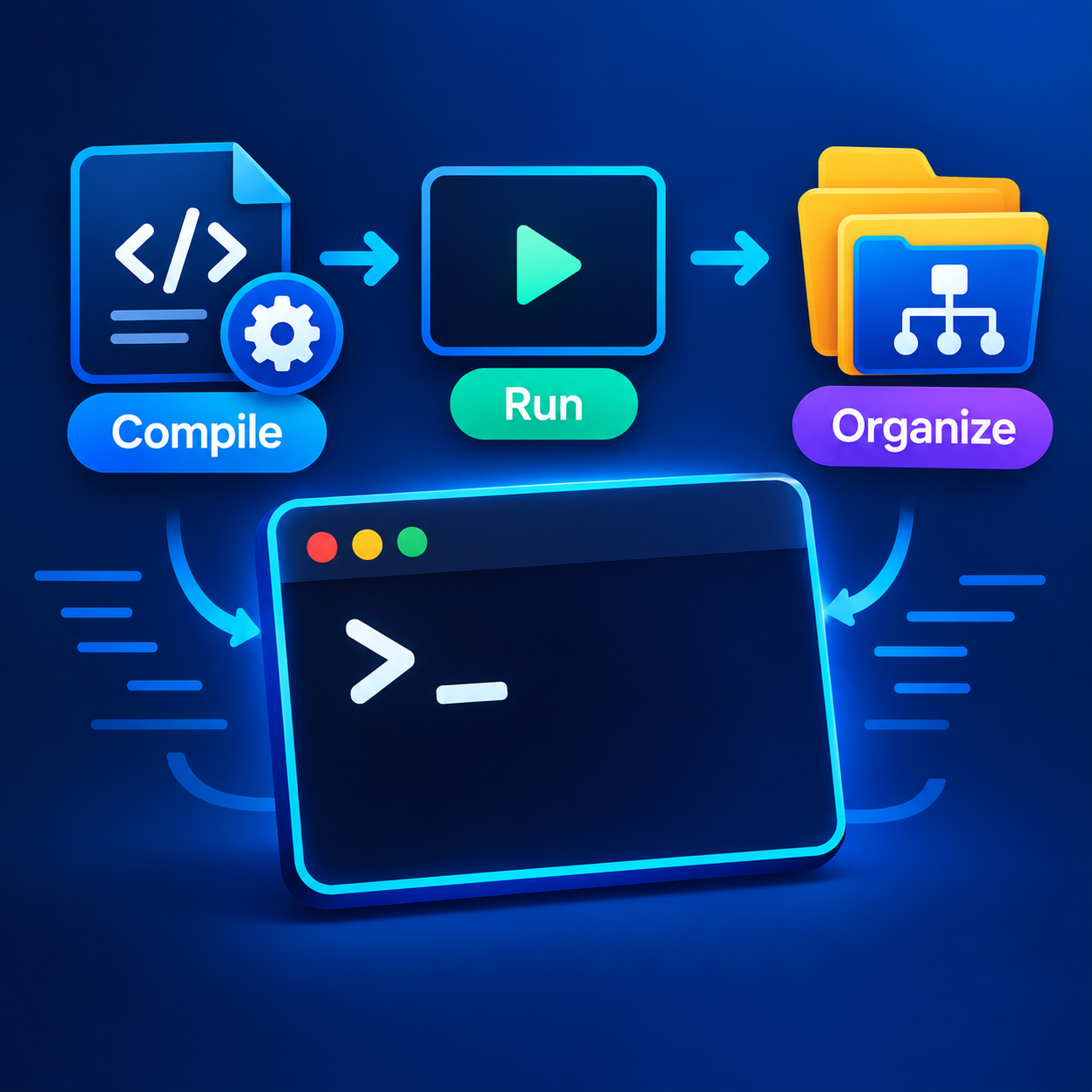
Command-line practice for compiling, running and organizing programs
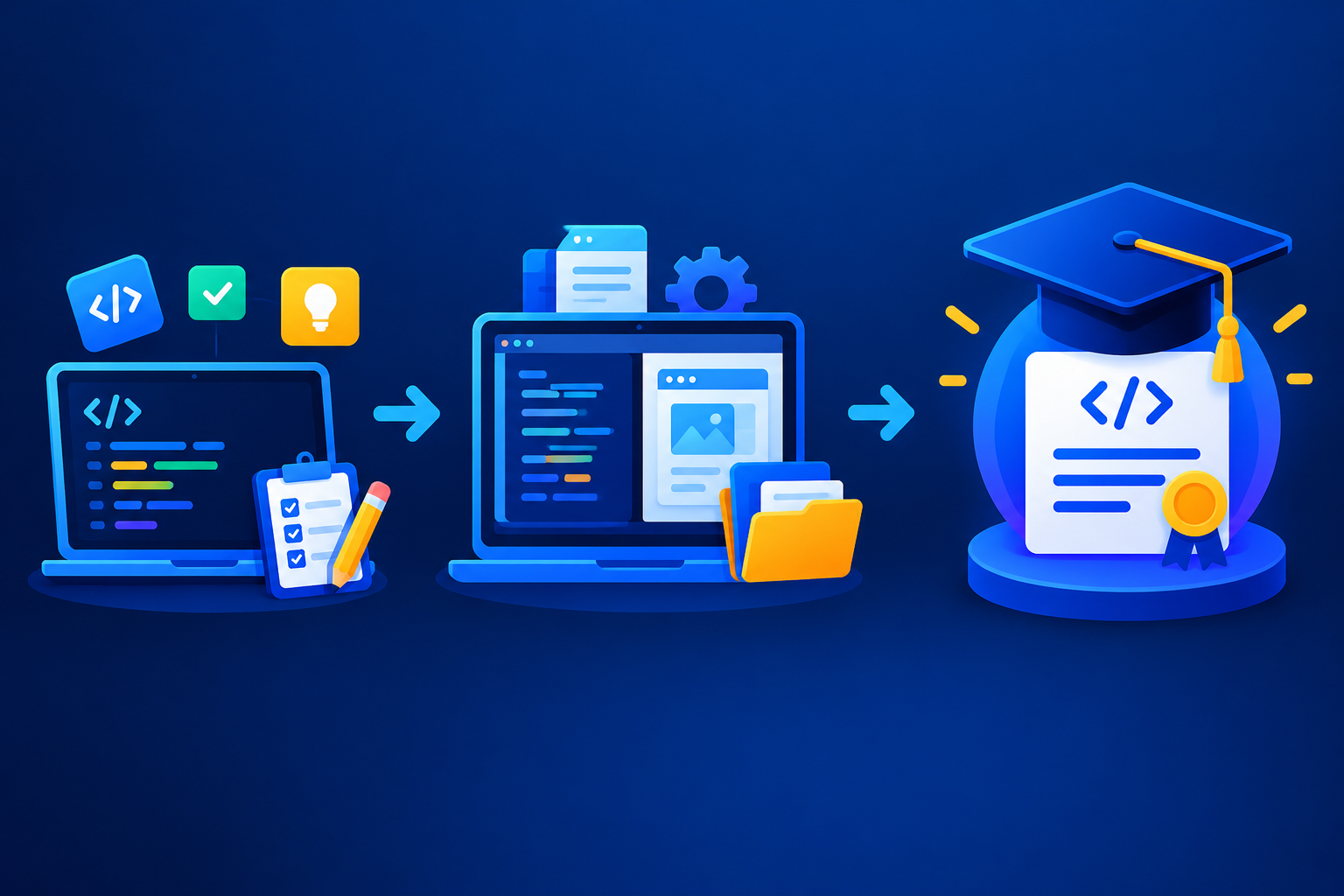
Small coding exercises followed by larger integrated assignments and a capstone
Career Focus

Who Should Join This Course?

College students

fresh graduates

beginning programmers

engineers who want stronger C fundamentals

developers interested in systems or embedded programming

students preparing for programming interviews.

Need Guidance?

Have questions about the course?

Understand it. Practice it. Break it. Troubleshoot it. Apply it. — Enroll now and build real programming and memory-handling skills with C.

Contact Trainers

Begin your Journey Now.

Get personalized guidance on the course, batches and enrollment.